
Nurturing Minds: Why School Mental Health Is the New Academic Frontier
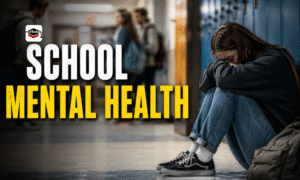
Success in school now means something different than before. Classrooms once looked only at grades, test results, tests taken, and days present. Thinking skills still matter most, yet teachers and doctors see clearly – learning falters when emotional struggles go unnoticed. Support for inner well-being woven into daily schooling through school mental health? That shift has moved past debate. What was once optional now feels necessary, part of the foundation. Security in school does not come by accident. A space where kids dare to try comes after feelings are tended first. Learning sticks better when minds are calm. Trust grows slowly once support becomes routine. Growth shows up most where fear is low within school mental health environments.
The Hidden Burden of Today’s Classroom and school mental health
Learning feels harder now because students carry heavier worries than before. Pressure builds from classrooms that reward only top grades, where falling short seems unacceptable. Competition sharpens every task into a test of worth. On top of school demands, phones buzz with updates – images of perfect lives flicker endlessly across screens. These snapshots rarely show truth, yet they shape how teens see themselves. Loneliness creeps in when everyone else appears connected. Mean messages travel fast, leaving quiet bruises behind closed doors.
One out of seven teens around the world faces a known mental health challenge, often anxiety or low mood, based on records gathered by the World Health Organization. Not just problems seen at home – these feelings keep showing up inside classrooms too, becoming a major concern for school mental health. Brain function shifts under stress, which means paying attention, learning new words, or staying calm through class becomes much harder for some students. If schools look past hidden emotional pain, results appear later in failing marks, sudden outbursts, and kids skipping school again and again. Spotting trouble while still small during school years can stop deeper troubles from growing once adulthood arrives.
Transitioning From Reactive Crisis to Proactive Prevention
Historically, the standard approach to school mental health in education was entirely reactive. A student usually had to exhibit severe behavioral issues, face an academic crisis, or voice intense distress before receiving a referral to a school counselor. This older framework is financially and emotionally unsustainable. Today, progressive districts are shifting toward a proactive, multi-tiered approach that embeds emotional support into daily operations.
Proactive wellness begins with Social Emotional Learning, a curriculum strategy that teaches self-awareness, emotional regulation, and conflict resolution alongside standard academic subjects. In these environments, teachers might start the morning with a brief emotional check-in or guide students through short mindfulness exercises to ease test anxiety. By discussing coping mechanisms openly in the classroom, schools destigmatize psychological vulnerability. Furthermore, schools are actively expanding their internal support staff. By ensuring licensed counselors and social workers are accessible figures on campus rather than mysterious administrators hidden in the front office, seeking help becomes a normal part of the student experience and strengthens school mental health.
Collaborative Alliances Between Educators and Families
An internal school program cannot achieve its full potential if it operates in isolation from a student’s home environment. The most effective school mental health frameworks build transparent, active partnerships with parents and guardians. When educators and families maintain open lines of communication, they create a continuous safety net that supports the child through various transitions.
Schools frequently bridge this gap by offering informational workshops that help parents spot subtle behavioral shifts, such as sudden changes in sleep patterns, social withdrawal, or an unexpected drop in motivation. Conversely, parents provide educators with valuable context regarding family stressors or traumatic events that might influence a child’s classroom behavior. When a family and a school agree on consistent boundaries and emotional validation strategies, the student experiences a unified environment. This collective approach removes confusion, reinforcing the idea that the child’s emotional safety is valued by all the adults in their life.
The Broad Benefits of an Emotionally Secure Environment
Investing heavily in comprehensive school mental health wellness programs yields substantial long-term benefits that extend far beyond individual stress reduction. When an institution commits resources to emotional healthcare, the overall school climate undergoes a positive transformation. Disciplinary problems decrease significantly because students learn how to communicate frustration constructively rather than acting out aggressively.
Furthermore, emotional security directly correlates with heightened academic achievement. When the brain is free from the constant strain of survival-mode anxiety, cognitive resources can be fully dedicated to critical thinking, problem-solving, and creative exploration. Students who feel supported by their teachers and peers are more likely to participate in discussions, join extracurricular activities, and develop a genuine lifelong love for learning. By cultivating resilience, empathy, and emotional intelligence, educational institutions are not just teaching children how to pass standardized exams. They are successfully equipping the next generation with the psychological tools necessary to navigate the complexities of adult life through school mental health initiatives.