
AI Chip Explosion Triggers Massive Samsung Profit Growth
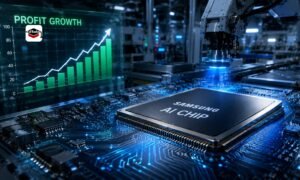
South Korean tech giant Samsung Electronics expects a nineteenfold jump in its quarterly profits, driven by global demand for artificial intelligence memory chips. In an early earnings guidance released on Tuesday, the company forecasted an operating profit of 89.4 trillion won, or 58.4 billion dollars, between April and June. This achievement marks its third consecutive record quarterly profit. South Korean firms regularly publish these previews ahead of full reports in late July to help guide investors.
This massive demand for semiconductors outstrips current supply, which has pushed up prices. Samsung’s preview shows sales reached 171 trillion won, more than double the amount from the same period last year. Analyst Marc Einstein from Counterpoint Research calls this one of the best quarterly performances ever, coming close to the tech record Nvidia set earlier this year. Because supplies remain tight, Samsung raised its memory chip prices. Research firm IDC reports that AI data center infrastructure demand is entirely unique, which reduces chip availability for everyday electronics. Tech researcher Bryan Ma from IDC expects these supplies to remain tight through next year.
As a top semiconductor manufacturer, Samsung builds chips for Google, Nvidia, and its own electronic devices. Tech shares have soared recently, and Samsung’s stock value has more than doubled this year. However, its shares fell nearly seven percent in Seoul on Tuesday because some investors expected even higher profits. Meanwhile, local rival SK Hynix saw its stock jump over two hundred percent, helping lift South Korea’s Kospi index by more than eighty percent this year.
The wider industry also shows signs of intense competition. In May, Nvidia posted record quarterly revenue topping eighty billion dollars, but its stock fell as investors worried about market rivals. In June, South Korea unveiled plans to invest at least 880 billion dollars in projects led by Samsung and SK Hynix to expand domestic chip factories. Meanwhile, competing nations like Japan, China, and Taiwan are pouring heavy investments into their own manufacturing plants.
Read Also: 4,800 Roles Eliminated in Sweeping Microsoft and Xbox Reorganization