
Education Department Cancels $350 Million in Grants for Minority-Serving Colleges
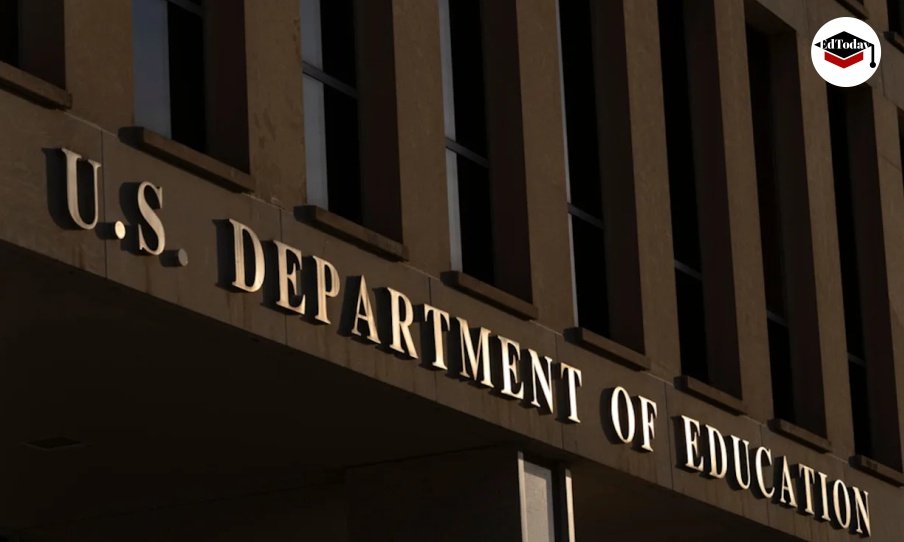
The U.S. Education Department cancels grants totaling approximately $350M education grants for minority-serving colleges. Some of these grants required colleges to enroll a specific number of students from underrepresented racial or ethnic groups. Education Secretary Linda McMahon described these requirements as government-mandated racial quotas. This Education Department $350M grants cancellation has sparked intense debate across higher education.
Why the Grants Mattered
These $350M education grants were created to support minority-serving colleges serving large numbers of students who are Alaska Native, Asian American, Black, Hispanic, Native American, Native Hawaiian, or Pacific Islander. The funding supported initiatives such as purchasing laboratory equipment, upgrading classrooms and facilities, providing tutoring and student services, and building endowments to maintain financial stability. The impact of grant cuts on minority-serving colleges is expected to be significant.
The Legal and Administrative Justification
According to the Education Department cancels grants announcement, some programs eligible for funding require institutions to meet demographic thresholds. For example, the Developing Hispanic-Serving Institutions program mandates that a college have at least 25 percent Hispanic students. The Minority Science and Engineering Improvement program requires that half of the student body belong to underrepresented racial or ethnic groups. McMahon stated that these eligibility criteria are viewed as discriminatory because they limit access to funding based on race or ethnicity. She emphasized the department’s intention to work with Congress to redesign programs so that they support underprepared or underresourced students without relying on explicit racial quotas. This federal grant cancellation is part of broader U.S. higher education funding changes.
Reaction from Institutions and Leaders
College administrators, lawmakers, and higher education advocates responded quickly and strongly. They cautioned that campuses would face challenges, and students would lose vital support. Mildred García, chancellor of the California State University system, highlighted that nearly all its campuses are Hispanic-serving, warning that cutting the funds threatens student success, graduation rates, and broader social mobility. Leaders from organizations such as the Hispanic Association of Colleges and Universities stressed that the grants benefit all students by enhancing campus facilities, strengthening STEM programs, and serving local communities. The Education Department cancels grants decision has sparked widespread concern among minority-serving colleges.
What’s Still Moving Forward
Despite the Education Department cancels grants move, the department confirmed that approximately $132 million mandated by Congress for fiscal year 2025 will still be delivered to minority-serving colleges. The department is also reviewing the legal framework surrounding the grants’ eligibility rules. Experts suggest that the Education Department $350M grants cancellation could lead to broader federal grant cancellation trends.
Wider Implications
The decision touches on larger debates about affirmative action, race-based eligibility, and federal funding for minority-serving colleges. The grants being cut resemble others currently facing legal challenges from anti-affirmative-action groups, who argue that race-based eligibility violates equal protection principles. The department indicated that historically Black colleges and universities will not be affected, as their designation is based on historical mission and foundation rather than enrollment percentages. This highlights the impact of grant cuts on minority-serving colleges amid ongoing U.S. higher education funding changes.
What This Really Means
Institutions that rely on these $350M education grants will need to identify alternative funding sources or reduce key services. Students who depend on tutoring, lab access, or other support services may experience gaps. Lawmakers may face pressure to restructure federal programs to ensure support for underresourced institutions without using race-based eligibility rules. The Education Department cancels grants story underscores a critical moment in shaping the future of higher education funding.