
Gamification in Classrooms: Making Learning Addictive, Not Obligatory
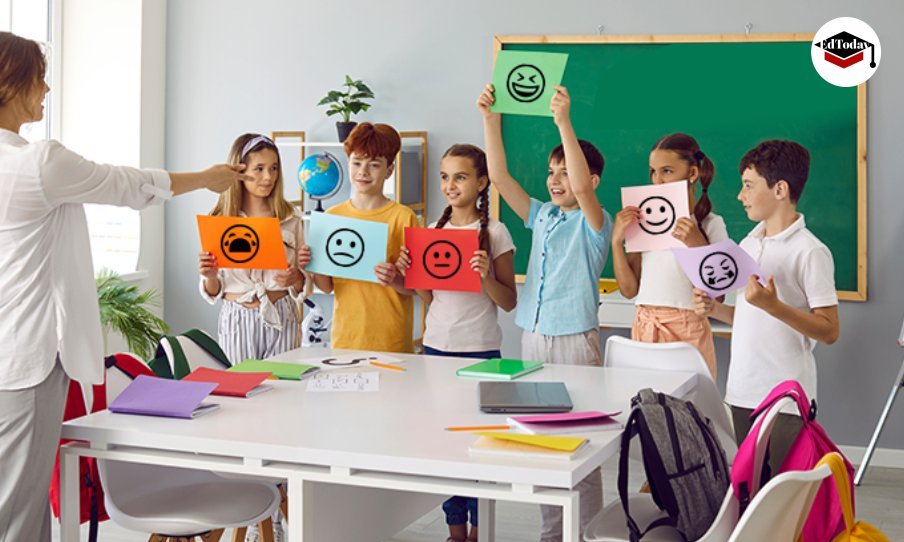
Suppose students loved school lessons as much as they love video games. Picture a classroom with kids eagerly anticipating learning, not because they have to, but because they want to. That’s the enchantment of gamification in the classroom.
Gamification in education is taking the game elements, such as points, levels, rewards, and challenges, and applying them to non-gaming environments. To classrooms, in this example. The concept is straightforward: make learning fun so that kids are addicted to it, just as they are to a great game.
Why Gamification Is Important
Face it: conventional classrooms sometimes become boring. The lecture, note, and test routine doesn’t thrill all kids. But introduce game aspects, and suddenly everything changes. This is where classroom engagement strategies start to matter.
Gamification in education succeeds because it engages primal human feelings, curiosity, competition, and a need to do better. Students begin to view lessons as something to overcome, not evade. It provides a feeling of movement, direction, and even pride.
When students realize they are earning points or unlocking levels, they feel accomplished. And when their names appear on a classroom bulletin board or an online leaderboard, motivation goes through the roof. It’s not about winning, it’s about being noticed, getting better, and contributing. These are powerful student motivation techniques.
What Gamification Looks Like in Classrooms
Educational gamification doesn’t entail that students spend their entire day playing video games. Even slight shifts can have significant impacts and offer interactive learning methods that suit all kinds of learners.
For instance:
- Point systems: Points can be awarded by teachers for finishing homework, answering questions, or assisting peers. These points can result in enjoyable perks, such as extra reading time or a homework pass. This is one of the simple ways to gamify lessons.
- Digital badges and certificates: Students enjoy amassing evidence of accomplishments. Receiving a badge for fluency in multiplication or creating a fantastic essay boosts their self-esteem.
- Weekly challenges: Dividing a lesson into missions or levels will make it more interesting. For instance, “Solve 10 word problems to unlock the next challenge!” It’s a fun way of learning through games.
- Team games: Engaging in team games where one is working with others in groups to solve puzzles or quizzes makes it fun and fosters teamwork. These are excellent classroom activities using gamification.
- Story-based activities: A math question can be a treasure hunt. A science class can be an adventure in space. These stories engage the imagination while conveying valuable subjects, helping in turning lessons into games for students.
Ease Tools For Gamification
With technology, teaching with gamification has never been so simple. Here are some digital tools for teachers used globally:
Kahoot!: A quiz game in which students respond in real-time. It’s high-energy, vibrant, and a crowd-pleaser, one of the best gamification tools for teachers.
ClassDojo: Allows instructors to reward points for positive behavior, engagement, and so on. Students even earn cool avatars.
Quizizz: Provides multiple-choice quizzes where students can compete and learn.
Minecraft Education Edition: Students build and discover while learning about history, science, mathematics, and more.
These games aren’t only enjoyable, some of them even assist teachers in monitoring progress and identifying where a student may require special attention. These are real-life examples of gamified learning at work.
Why It’s More Effective Than Lectures Alone
Traditionally, students sit quietly. They’re not necessarily engaged or interested. Gamification turns that around by engaging students in learning through game-based learning. Rather than being instructed to learn something, students are invited into a game where they learn it for themselves.
Also, gamification in classrooms provides the option to fail without shame. In a game, if you fail a level, you simply try once more. This is encouraging students to practice over and over without believing they’ve failed. This helps foster resilience and a growth mindset.
Warning: It’s Not All About Points
While there are many benefits of gamification, be sure to keep things in balance. If all there is to focus on is winning or earning badges, the true end, learning, may be lost.
Which is why teachers need to implement gamification as an auxiliary tool, not the central one. The intention should always be to get the students to fall in love with learning, not just pursue rewards.
Also, each student is unique. Some thrive on competition, others might be shy or excluded. So it is crucial to establish an environment wherein everyone feels motivated, not compelled. That’s how to use gamification in the classroom effectively.
Making Learning Feel Like Play
When learners are fully invested, they learn faster and remember more. And that’s precisely what gamification in education does, it gamifies everyday lessons and makes them enjoyable, challenging, and memorable.
Be it gaining a badge, cracking a mystery, or simply climbing up a leaderboard, students engage. They care. And that is when learning starts to happen, not when compelled but when experienced.
It’s about making learning addictive for students, in a good way.
Final Thoughts
Gamification in classrooms is not trendy, it’s a method of making education relevant, engaging, and fun. It makes kids want to show up, speak up, and strive.
Because when education is disguised as play, kids don’t tick off the hours. They pursue the thrill. They don’t realize it’s “schoolwork” and instead call it an adventure. These are the kind of fun classroom ideas using gamification that leave a lasting impact.
Ultimately, isn’t that the point of education? Not something to be endured, but something worth playing.
FAQs on Gamification in Classrooms
Q1: What is gamification in education, exactly?
A: Education gamification involves the application of game elements like points, badges, rewards, levels, and challenges to make learning more enjoyable and interactive. It transforms classroom tasks into interactive and engaging experiences.
Q2: Is gamification the same as playing games at school?
A: Close, but not exactly. Gamifying learning can happen through playing games, but gamification is more than that. It encompasses applying game mechanics to normal lessons, such as getting points for doing homework or advancing to the next level by acing a quiz.
Q3: Does gamification actually make students learn more effectively?
A: Absolutely. Gamification enhances engagement, motivation, and participation. When students are highly engaged and having a good time, they are better at absorbing and retaining knowledge.
Q4: Can gamification be used with all age groups?
A: Definitely. While the younger students may be more motivated by bright colors and badges, the older students can be engaged through more sophisticated challenges, collaboration, and tracking of progress. The trick is to adapt the method to the age group.
Q5: Must teachers use costly tools or technology to implement gamification?
A: Not always. Although apps such as Kahoot or ClassDojo may assist, straightforward approaches such as the use of stickers, charts, point systems, and paper challenges are equally effective in low-tech classrooms.
Q6: Won’t students only be concerned with rewards and not true learning?
A: That is a valid worry. To prevent this, rewards must be tied to effort, participation, and comprehension, not merely winning. Gamification must promote growth, not competition.
Q7: Is gamification distracting when used in the classroom?
A: Yes, if used too frequently or in a clumsy manner. That’s why it needs to be used as a tool, not a substitute, for organized instruction. It should enhance learning objectives, not distract from them.
Q8: What can be gamified?
A: Nearly every subject can be gamified, math, science, history, languages, even the arts. Whether it’s cracking a code in a literature class or finishing a coding adventure in computer science, gamification makes any subject more exciting.
Q9: How can gamification be helpful for shy or introverted students?
A: Gamification tends to offer low-stakes ways to engage, such as virtual quizzes or quiet missions. It may facilitate shy students gaining confidence through small successes without feeling they will fail in public.
Q10: Is gamification here to stay?
A: As classrooms become more dynamic and technology is more within reach, gamification will only become an integral part of teaching in the modern age. It’s not a fad—it’s a strong tool for making learning fun and relevant.