
Hybrid Learning vs Blended Learning: Understanding the Key Differences in Modern Education
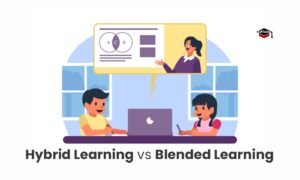
Lately, how people learn has shifted quite a bit – digital tools and adaptable settings now play big roles. One talk gaining ground? How hybrid stacks up against blended methods in teaching. Not the same thing, even if folks swap them freely in conversation. Each builds lessons using both web-based material alongside face-to-face time – but in their own way.
When classrooms go digital, knowing how each model works makes it easier for teachers to pick the right approach. One method might fit a lecture hall, while another suits hands-on workshops better. Flexibility matters, yet each path gets there differently. Engagement rises when the format matches the goal, though what drives one group may miss another entirely.
Understanding Hybrid Learning
A mix of face-to-face and digital sessions defines hybrid learning. One moment, someone might be sitting in a chair inside a school building; the next, another person logs in from miles away using software on a screen. The teacher leads everyone together even though they are not all in the same room. People show up differently – some live, some virtual – but follow along at once.
Picture a classroom where some faces appear on screens, others sit at desks – hybrid learning thrives on live involvement from everyone, near or far. Lesson plans need clever tweaks so distance doesn’t mean disconnection. Equal chances to join talks, grab resources, take part in tasks – that’s the goal. Teachers shape each session keeping eyes, ears, minds active across spaces.
This model gained popularity during the pandemic when institutions needed to accommodate students who could not physically attend classes. Even after the return to traditional classrooms, hybrid learning remains relevant because it provides flexibility for students with varying schedules, locations, or health considerations.
However, hybrid learning also presents certain challenges. Educators must manage technology effectively, maintain engagement across both audiences, and ensure that remote students feel equally involved in classroom discussions. This requires thoughtful planning and reliable digital infrastructure.
Exploring the Concept of Blended Learning
Blended learning, on the other hand, combines online learning with face-to-face instruction but does not necessarily occur at the same time. Students may complete certain lessons, assignments, or discussions online before or after attending classroom sessions.
In the debate of hybrid learning vs blended learning, blended learning is often viewed as a more structured integration of digital tools into the curriculum. The online components complement classroom teaching rather than replacing or duplicating it. For example, students might watch lecture videos online and then use classroom time for discussions, projects, or problem-solving activities.
This method encourages self-paced learning and allows students to review digital materials as needed. Educators can use classroom time more effectively by focusing on interactive activities instead of lengthy lectures.
Blended learning is particularly effective in higher education and professional training environments where learners benefit from both independent study and collaborative interaction. It also enables instructors to track student progress through digital platforms, allowing for more personalized learning experiences.
Key Differences Between the Two Approaches
The comparison of hybrid learning vs blended learning primarily centers on timing, structure, and delivery. Hybrid learning occurs simultaneously in physical and virtual environments, meaning instructors teach both in-person and remote students at the same time. Blended learning, however, separates the online and offline components, allowing each to serve different purposes within the learning process.
Another difference lies in the learning experience itself. Hybrid learning focuses on accessibility and real-time participation, ensuring that students can attend classes regardless of location. Blended learning emphasizes course design, strategically combining digital and classroom activities to enhance understanding and engagement.
Technology also plays a different role in each model. In hybrid learning, technology enables live communication and interaction between remote and in-person students. In blended learning, technology functions more as a supportive tool that supplements classroom instruction with digital resources, videos, quizzes, and discussion forums.
Educators must also consider the level of preparation required. Hybrid learning often demands sophisticated classroom setups, including cameras, microphones, and reliable internet connectivity. Blended learning, by contrast, focuses more on developing high-quality online materials and designing an effective balance between digital and physical instruction.
Choosing the Right Approach for Modern Classrooms
As educational institutions continue to innovate, the conversation around hybrid learning vs blended learning becomes increasingly relevant. Each model offers unique advantages depending on the goals of the course, the needs of students, and the available resources.
Hybrid learning is ideal for situations where flexibility and remote access are essential. It allows students from different locations to participate in real-time classes without compromising the sense of community that comes from live interaction. This approach is particularly valuable for global programs, remote learners, and institutions seeking to expand access to education.
Blended learning, on the other hand, works best when educators want to combine the strengths of online learning with the engagement of in-person teaching. By allowing students to absorb foundational knowledge online and apply it in the classroom, blended learning promotes deeper understanding and active participation.
Ultimately, the choice between these two models depends on the learning objectives and the technological readiness of the institution. Many organizations even adopt elements of both approaches to create a more flexible and dynamic educational environment.
As digital transformation continues to reshape education, understanding the differences between hybrid and blended models will remain essential for educators, administrators, and learners alike. The future of learning lies not in choosing one method over the other, but in strategically combining technology and human interaction to create meaningful and effective educational experiences.