
Sonam Wangchuk’s Education Reform Movement Inspires Global Learning Models 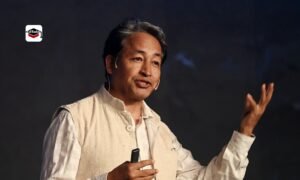
Out here in Ladakh, school isn’t what it used to be – thanks to Sonam Wangchuk. By 2026, people across continents are looking his way when they talk about teaching that actually fits students, especially now that machines do so much thinking. He started SECMOL back in ’88, fed up with kids failing tests that ignored their world. That setup took root because classrooms felt foreign, cold, out of touch. His fix? Lessons tied to real life, hands-on work, buildings warmed by sunlight alone. Ideas spread quietly at first – then louder, into ministries and tech labs alike. On March 14th, authorities held him under security laws; weeks later, he walked free. Reaction followed fast – not just outrage but questions: who gets to shape learning, really, in places like this? The dust hasn’t settled yet.
Starting with practical fixes, Wangchuk mixes teaching in native tongues with real-world tech projects. Schools become places where kids build warm classrooms using sun power while learning how water gets saved. Because of work like that, exam pass numbers climbed sharply across Ladakh since the 2000s. That shift came after fresh methods took root through efforts named Operation New Hope. When not inside school walls, he walks long routes by foot toward Delhi, calling for self-rule and land protection. Those steps turned heads far beyond the mountains. Speaking up during marches helped spread his belief – learning fuels change. Now global forums hear him clearly when schooling links to standing tall.